

GLP-1 Checklist
If you’re considering a GLP-1 weight loss medication before your wedding, GP and functional medicine doctor Nirusha Kumaran explains everything you need to know
Make sure you are a suitable candidate
GLP-1 medications should only be considered if you meet the appropriate BMI and clinical criteria. Your overall health, medical history, medications and individual risks should all be assessed before starting.
Use a reputable, regulated provider
Avoid buying GLP-1s through unregulated websites. Have a clinical assessment to make sure it is suitable and safe for you. This may be through a healthcare practitioner or a regulated online pharmacy offering a consultation, prescribing and follow-up.
Get the right checks before you start
A good assessment should review your medical and family history, current medications and any potential contraindications. Depending on the individual, baseline blood tests may also be appropriate, including kidney and liver function and blood glucose or HbA1c.
Don’t start a GLP-1 at the last minute
Nausea, constipation, diarrhoea and reflux are some of the common side effects. Give yourself time to see how your body responds and focus on gradual, sustainable weight loss rather than a last-minute fix.
Protect your muscle
Weight loss can include loss of muscle as well as body fat. Prioritise adequate protein, resistance training, hydration and good nutrition throughout treatment. The goal should be to improve your body composition and overall health, not simply to reach the lowest possible weight.
We recommend a DEXA scan (rebornelongevity.com), which is the gold standard for measuring muscle, fat and bone density, and is a useful baseline before you start a GLP-1. Between scans, a smart scale such as the Hume Pod (£179, humehealth.com) can help you track trends in muscle mass and body composition at home.
Book an appointment with Dr Nirusha – www.drkumaran.com
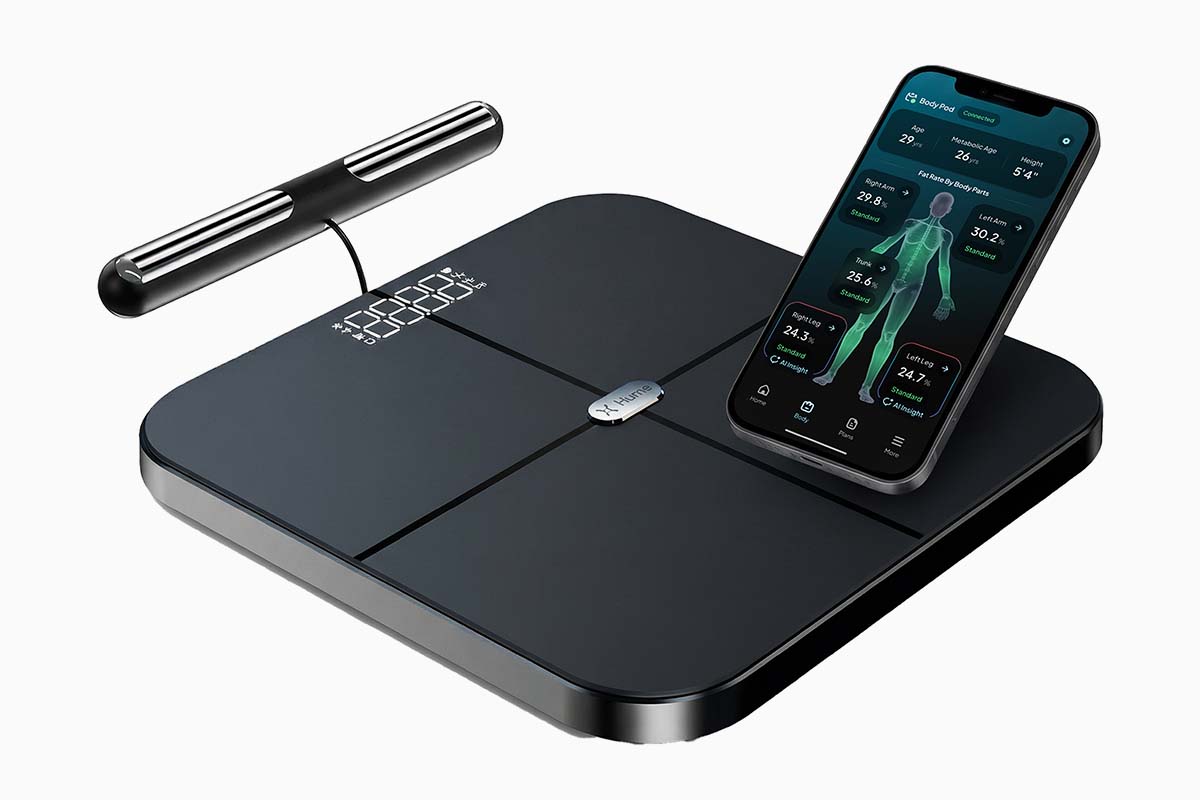
Hume Pod






Get Social