
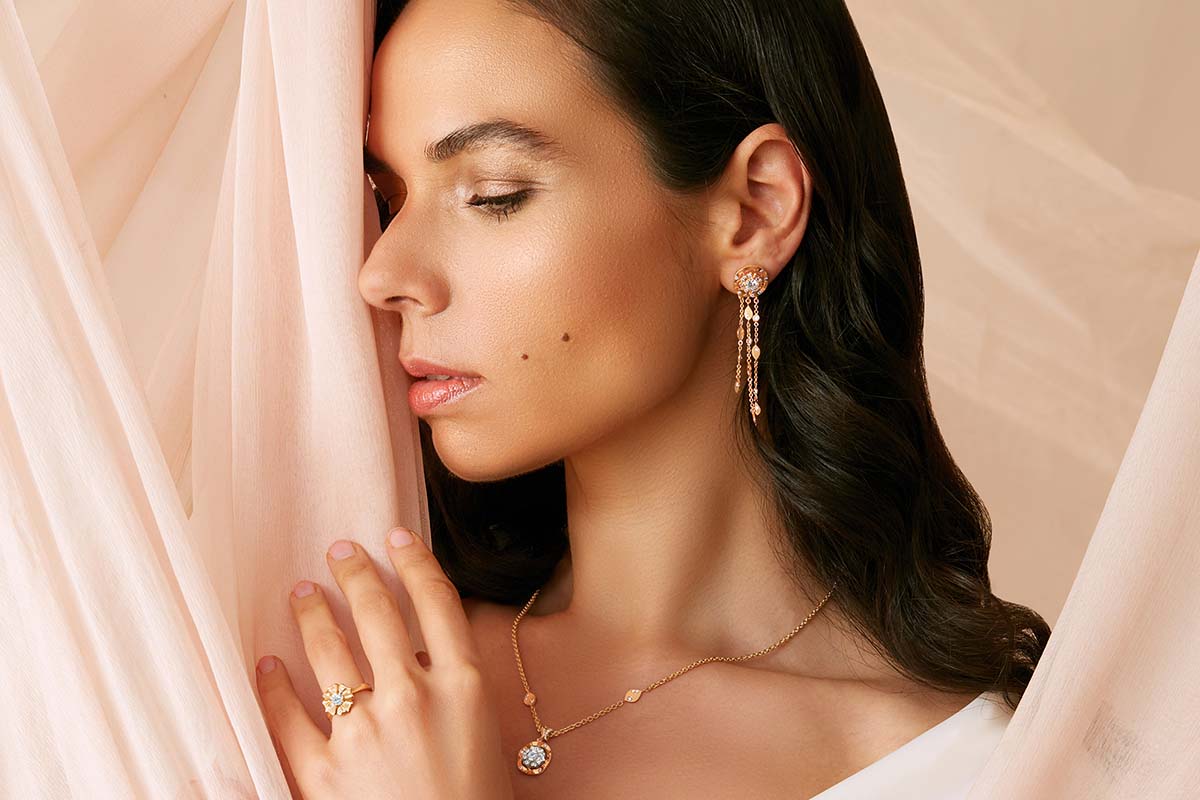
The Making Of A Legacy
PureJewels create heirloom jewellery that honours your heritage, celebrates your journey and becomes a part of the stories you pass on
Journeys aren’t simply about travelling from A to B. They’re about where life takes you and the experiences, people and memories that shape who you become. Jewellery has a unique role to play in that journey. It’s there for the milestones, the celebrations and the everyday moments, quietly witnessing the life you’re creating and over time, becoming part of your story.
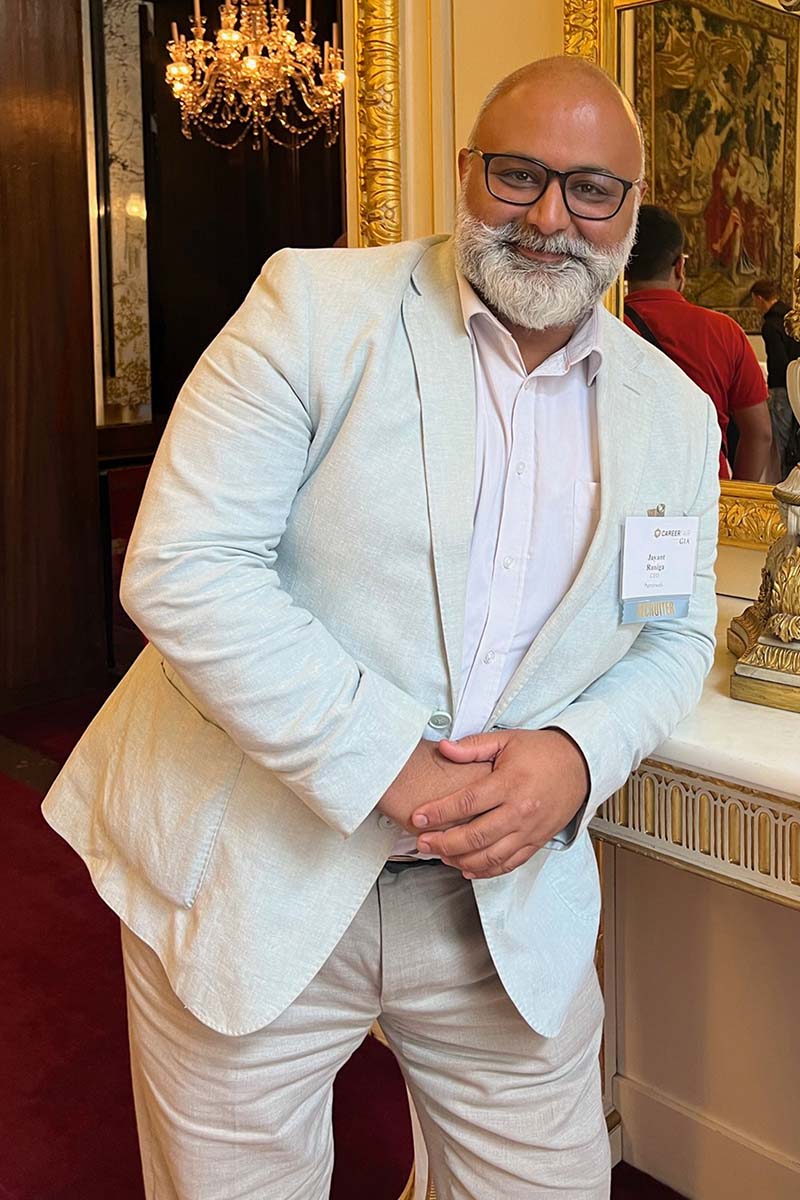
That philosophy lies at the heart of PureJewels and its CEO, Jayant Raniga, the current custodian of a jewellery business that has been passed through his family for three generations.
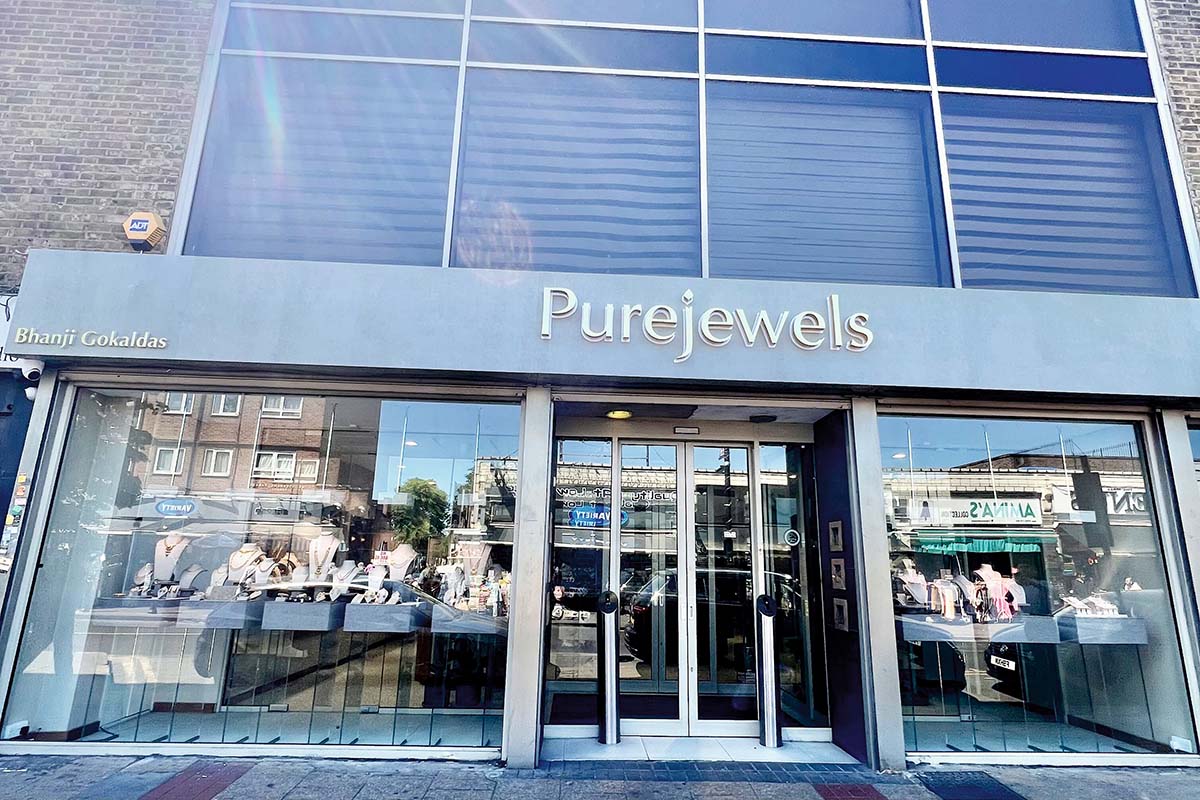
Its journey began in Nairobi, Kenya in 1950 when Jayant’s grandfather, Bhanji Gokaldas, left East Africa carrying little more than his jewellery bench and the skills he had honed as a craftsman. What began as one man’s trade would go on to become a remarkable family legacy, leading him to establish the first Asian jewellery showroom in the South East of England.
For the past 50 years, that legacy has been PureJewels in Green Street, East London. Today, Jayant is determined not just to preserve what his grandfather started 76 years ago, but ensuring that the knowledge, techniques and passion of generations of craftspeople are not lost.
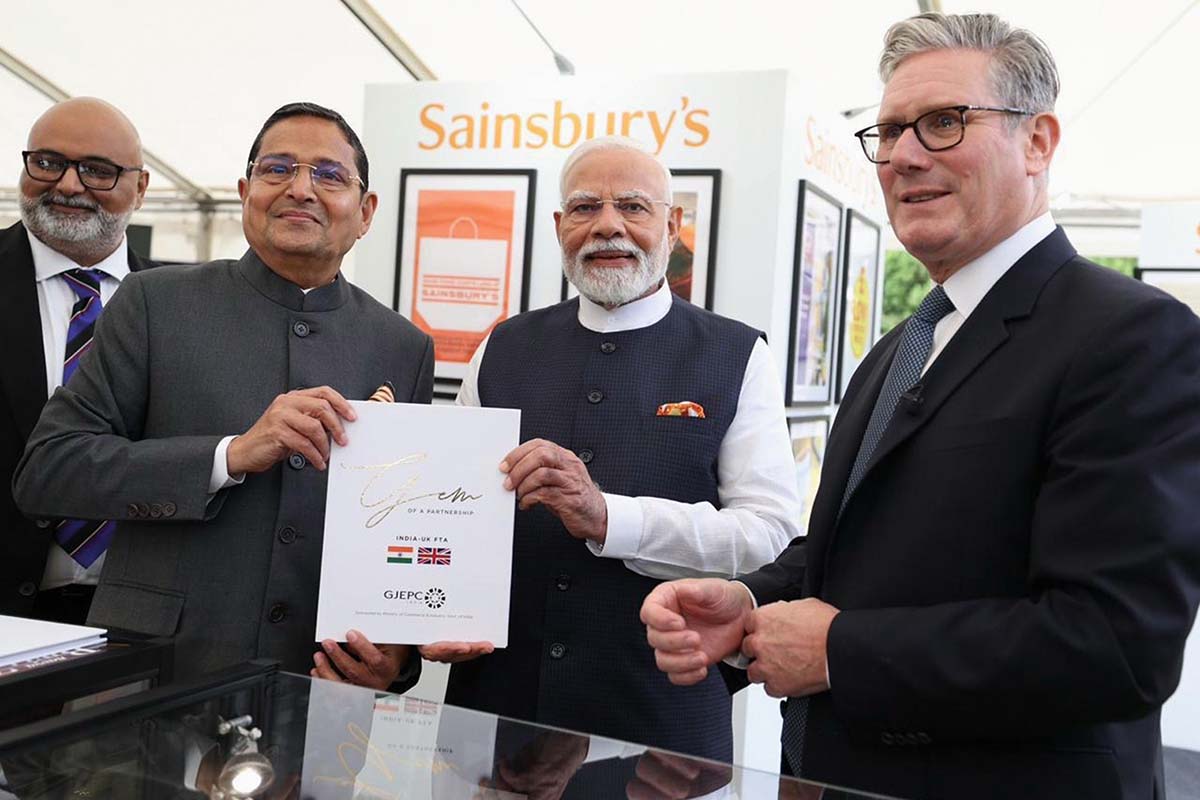
PureJewels have been recognised by the Prime Minsters of India and the UK
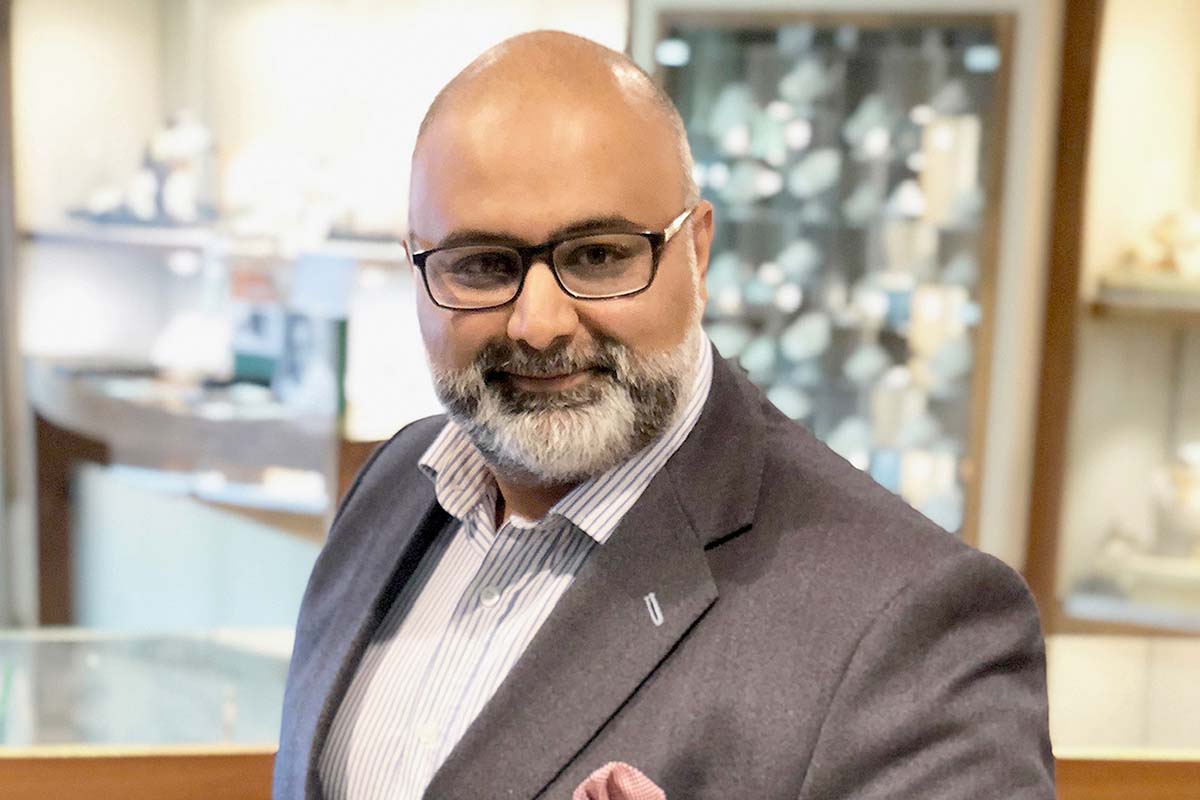
CEO, Jayant Raniga is the current custodian of PureJewels which is celebrating its 76th year in business
“I come from a lineage of craftspeople and that’s my mindset too,” Jayant told Asiana. “I remember growing up on the bench with my granddad, watching him make jewellery, and I would ask him to teach me. He said, ‘If you get the grades, I’ll teach you.’ So I studied hard, worked in the city as an investment banker while learning the craft, and in 2003 I joined as the third-generation business owner. The rest is history.”
It’s a history Jayant has helped shape. Under his leadership, PureJewels has received numerous business awards and, more recently, he represented the UK jewellery industry at the signing of the UK–India Free Trade Agreement, recognised by Indian Prime Minister Narendra Modi and former UK Prime Minister Keir Starmer.
But the most meaningful measure of PureJewel’s success is not the accolades, it’s the generations of families who return to the brand for their most important jewellery purchases. For many customers, PureJewels has become a trusted name woven into their own family stories, from engagement rings and wedding jewellery to anniversary gifts and heirlooms passed from one generation to the next.
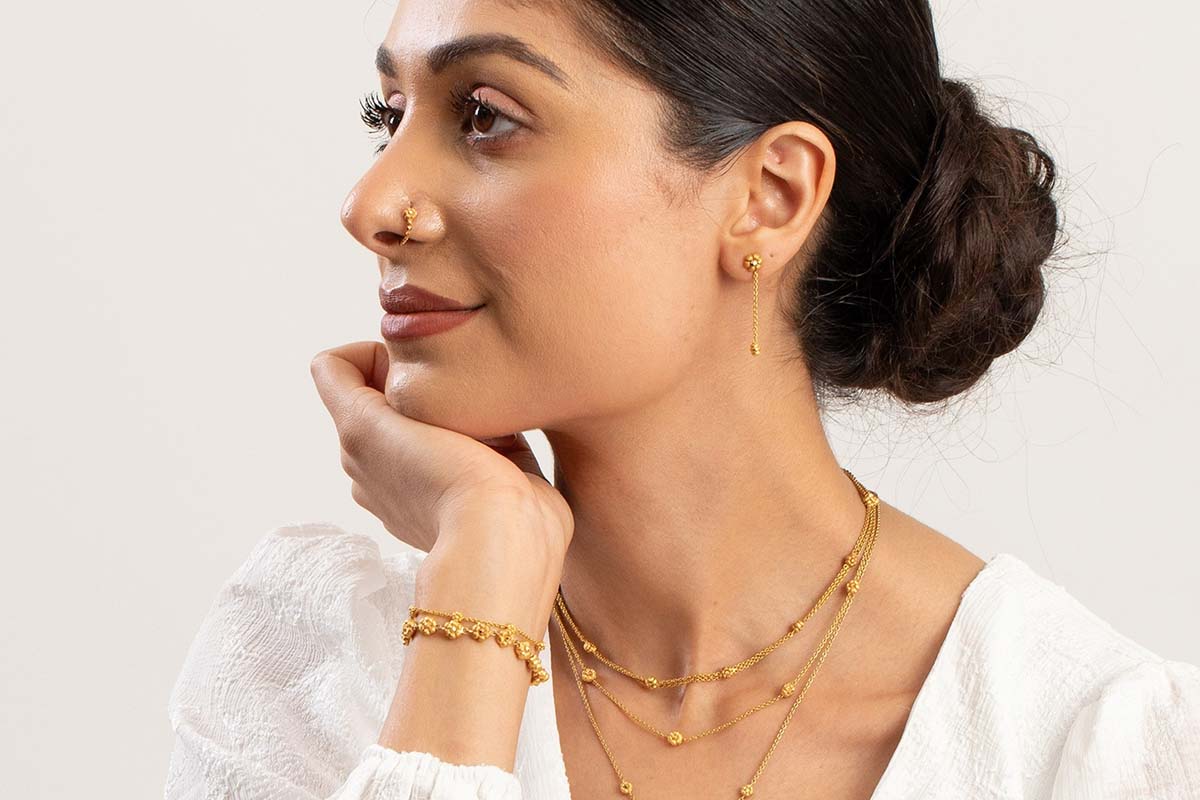
The making of a legacy
PureJewels is one of the few omnichannel jewellery brands in Europe where customers can explore its full collection both online and in-store. But step inside their London showroom on Green Street and their passion for jewellery really comes to life.
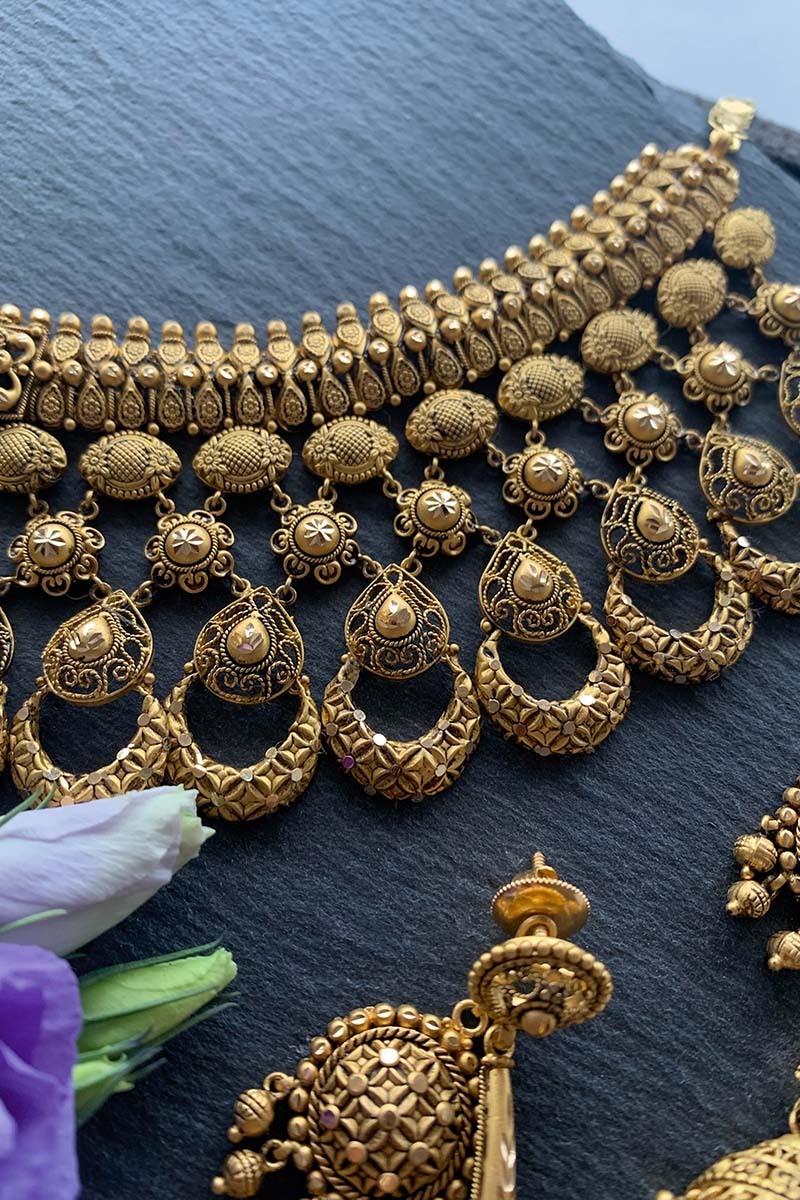
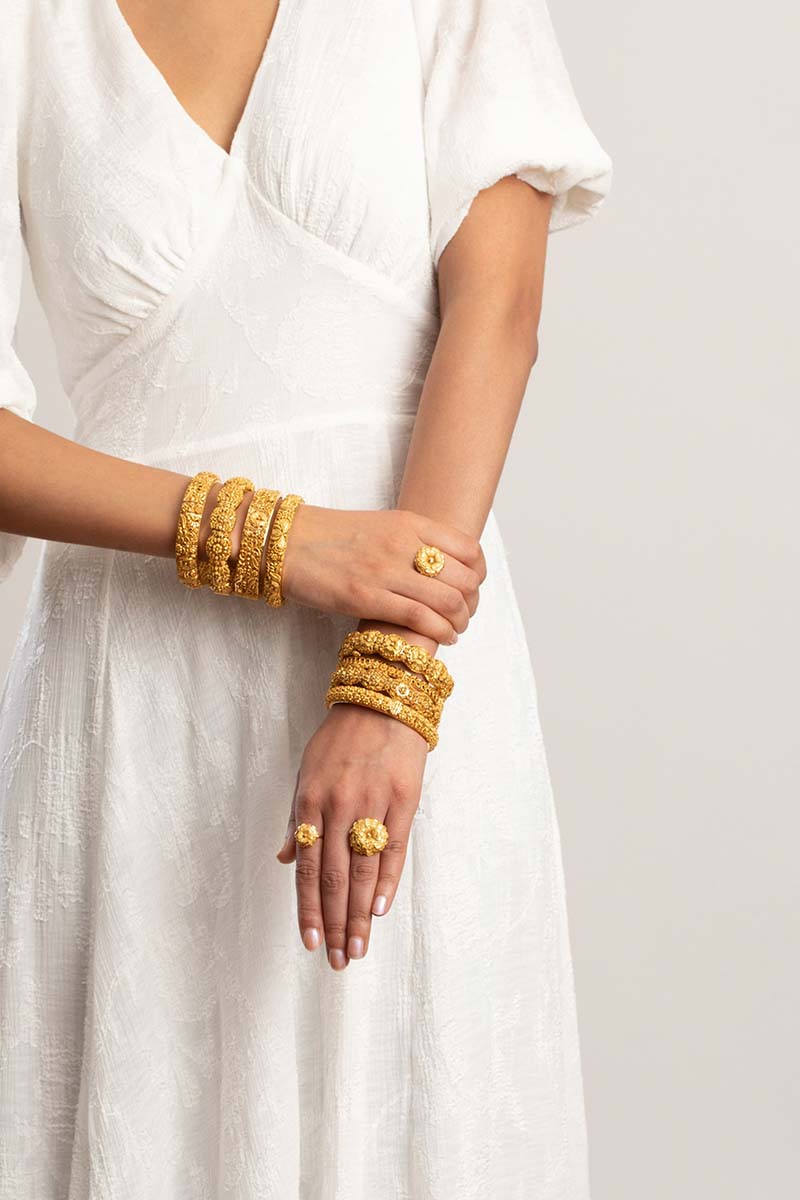
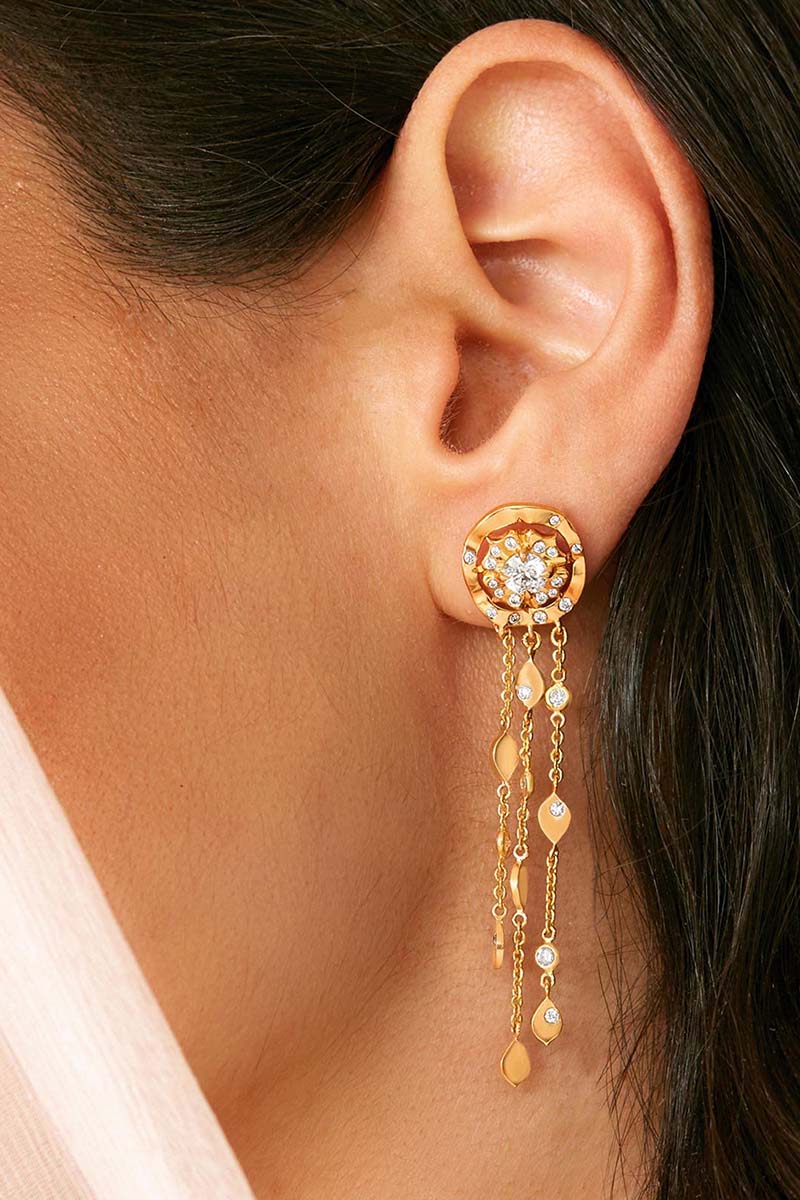
They have developed their own distinctive aesthetic, with 16 in-house collections that can’t be found elsewhere. Among them is the Rosettes range, crafted in 22ct gold and inspired by delicate floral forms, alongside pieces created in Sunrise Gold, a distinctive shade developed by PureJewels.
“Sunrise Gold is a skin-tone colour, so you can wear it with confidence as it looks inconspicuous,” explains Jayant. “It’s inspired by new beginnings and the first rays of the morning sun. It’s very close to our origin story of being an East African company. Commemorating our roots will always be ingrained in everything we do.”
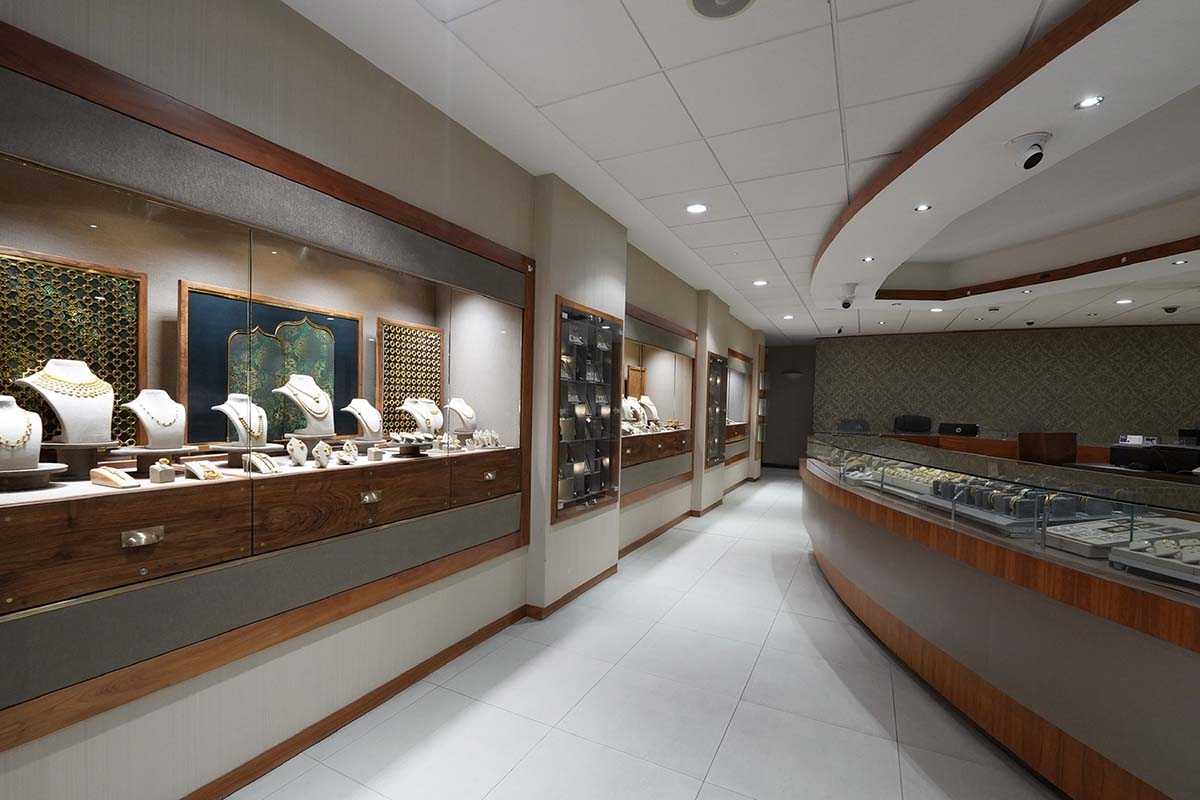
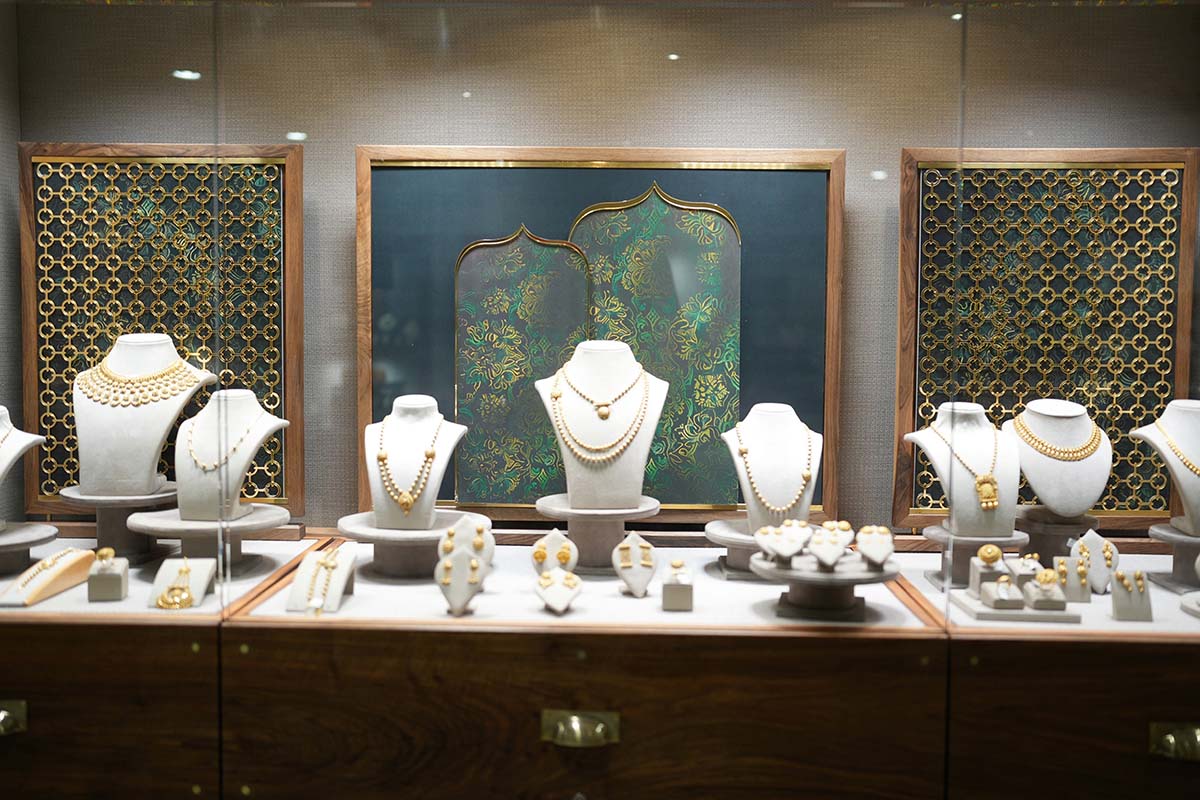
PureJewels offers all the jewellery staples you would expect from rings, necklaces and bracelets to earrings. Designs are created in-house, with the brand’s London studio located above its Green Street showroom and additional expertise based at its Mumbai studios.
This means that bespoke commissions can be developed with the designers. For Jayant, the importance of that craftsmanship is illustrated by a particularly memorable commission. “We once took a customer’s great-grandmother’s hairpin, made in gold that she had no plans to use,” he recalls. “So we melted it down and repurposed it, using the exact techniques used to make it. The transformation gave the customer something more meaningful. She now has a piece that belonged to her great-grandmother and she’s carrying that history on her finger. It’s a reminder that everyone’s journey is unique; so don’t be afraid to create your own legacy.”
The ultimate guide to choosing bridal jewellery
PureJewels CEO Jayant Raniga shares his seven expert tips for choosing jewellery you’ll take pride in wearing on your wedding day and beyond.
Choosing your wedding jewellery is a rite of passage. For some brides, it means opening a family jewellery box and discovering heirloom pieces that have been passed down through generations; for others, it’s an opportunity to build a collection of their own.
With so many choices, it can be easy to get swept up in what’s fashionable or what everyone else thinks you should wear but Jayant Raniga, CEO of PureJewels, believes the starting point should always be personal.
“Many women tell us they love gold because their husband loves it, but do you love it?” he asks. “This is your jewellery. Don’t give in to other people’s ideas. Know what you like and why you like it, and have that in your bridal jewellery set.”
1. Choose jewellery you genuinely love
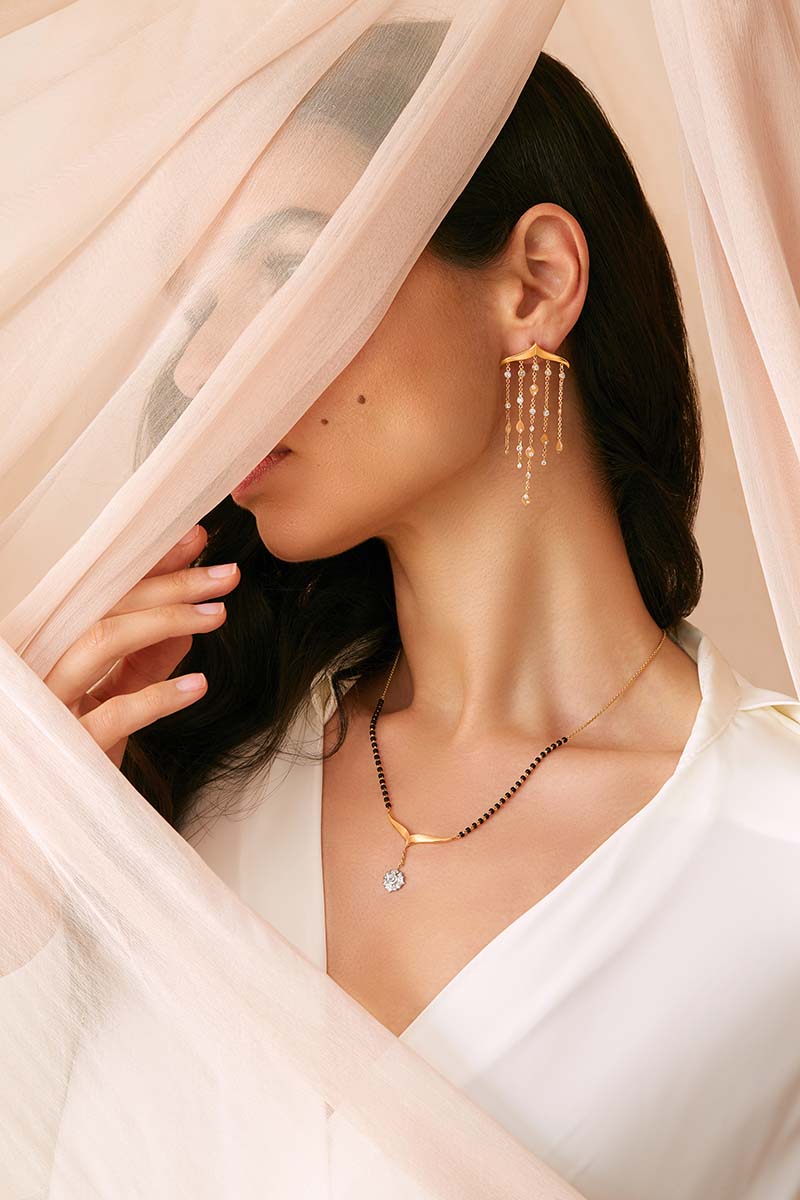
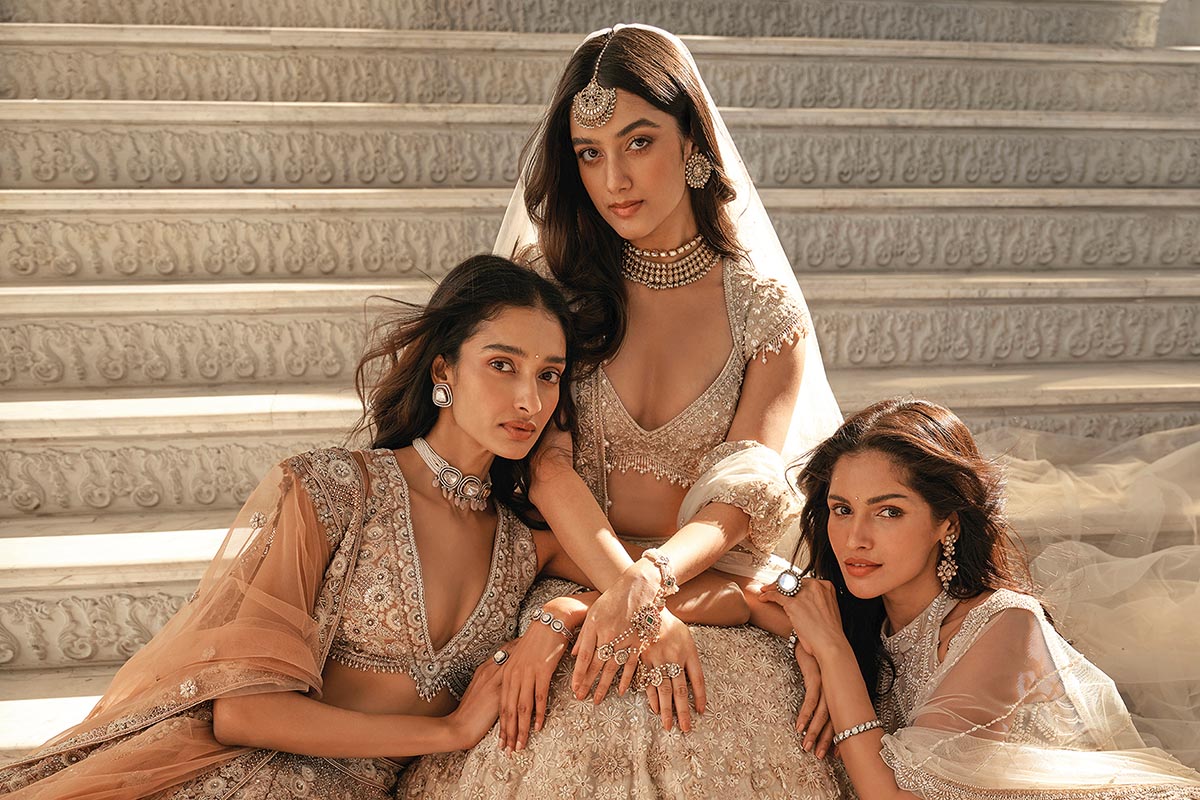
Your bridal jewellery should complement your personality rather than be a checklist of traditional pieces. Before you think about matching your jewellery to your lehenga, consider what you naturally gravitate towards. Do you prefer the warm richness of yellow gold, the cooler finish of white gold or the romantic blush of rose gold? Are you drawn to intricate filigree, polished contemporary pieces or traditional Indian craftsmanship?
Also think about scale and proportion. A dramatic necklace may look spectacular in a photograph, but if you rarely wear big jewellery, you may feel more comfortable in an elegant pendant.
2. Create your own rules
Jewellery trends come and go. For years, brides were inspired by the elaborate jewellery seen in Bollywood period dramas such as Jodhaa Akbar. While these pieces can be magnificent, they’re not always practical for a bride.
We’re seeing a growing appreciation of versatility. Rather than spending an entire jewellery budget on one set that may only be worn once, families are investing in pieces that can be styled in different ways. A necklace could be worn with a bridal outfit, then restyled with a saree. Stud earrings can become everyday staples, while a bracelet can be worn every day.
3. Know the difference between costume and heirloom pieces
Costume jewellery can be fantastic for creating a particular look. It allows you to experiment with scale, colour and design without making a major investment.
Alongside these pieces, however, consider investing in jewellery with longevity. Think of it like having different layers: statement pieces for the celebration, versatile pieces for regular wear and precious pieces that hold sentimental and financial value.
4. Shop ethically
Don’t just ask, ‘how much does it cost? Ask, ‘who made it and how was it made?’ Independent jewellers with their own workshops can offer a more transparent answer. At PureJewels, for example, we have our own workshop within our London store.
Look for evidence of good craftsmanship too as this gives a lot away. For gemstone jewellery, ask about the stone’s certification so you know you’re buying from a reputable source.
5. Think sustainably
Precious metals such as gold can be recycled and remodelled, meaning existing jewellery can be given a new life.
This is particularly relevant when it comes to family jewellery. An inherited necklace that isn’t your style doesn’t have to remain hidden away in a jewellery box. Perhaps it can be redesigned into a contemporary piece that you’ll enjoy wearing, giving it more meaning and saving you money.
6. Make sure it can be repaired
Your wedding jewels will be worn, transported, photographed and danced in so it’s not unusual for clasps to break or stones to become loose. That’s why aftercare should be part of your purchasing decision.
Before buying, ask what happens if something goes wrong. Can the piece be repaired by the original jeweller? At PureJewels all our pieces are covered by a lifetime guarantee so gems can be reset or replaced as needed. This is particularly important for pieces you intend to pass down.
7. Get to know your gemstones
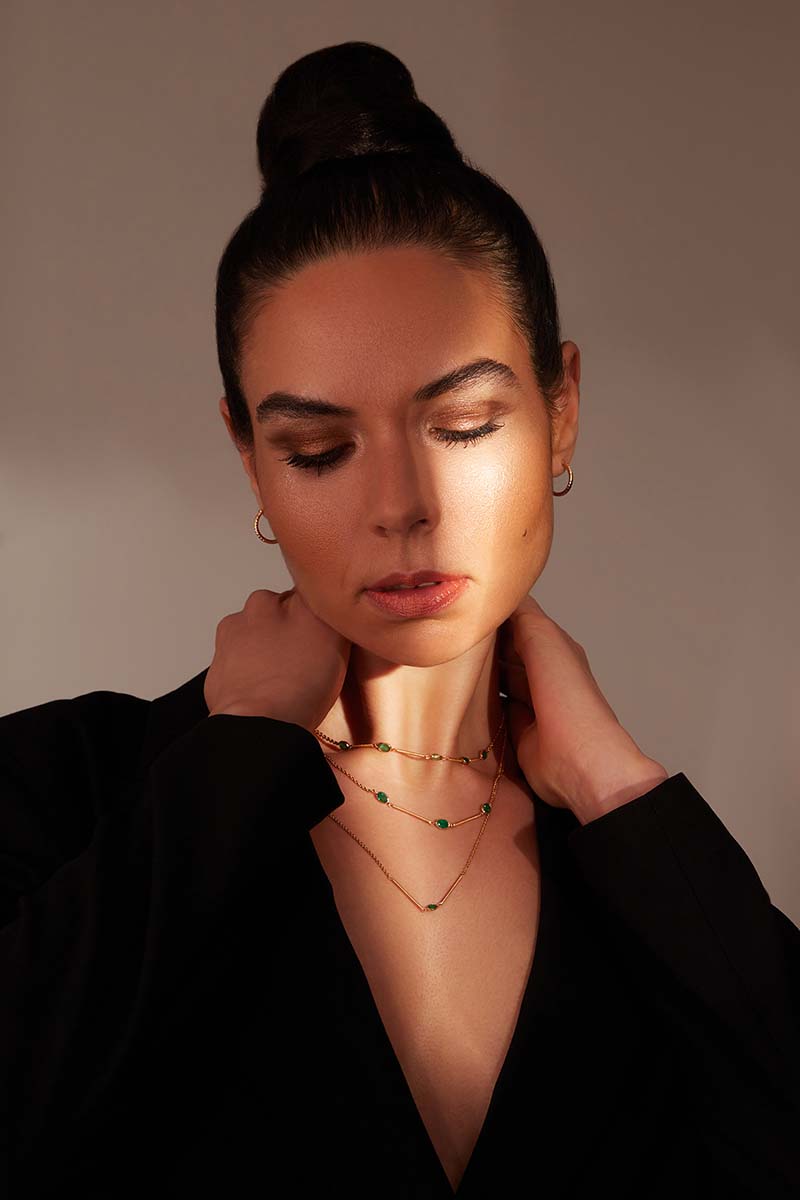
Diamonds may be the traditional choice for bridal jewellery, but they aren’t your only option. Coloured gemstones add personality and a beautiful pop of colour.
Rubies offer a red that works particularly well with traditional South Asian bridal palettes, while emeralds bring a rich green that can look striking against gold. Sapphires are available in a spectrum of colours, although blue remains the best-known, while pink tourmaline can provide a softer, contemporary alternative for brides who love blush and pastel tones.
At PureJewels as well as working with precious stones, we experiment with lab-grown jewels which allows us to create any shade of jewel you want. It’s such an exciting aspect of jewellery design and it’s something we’ll be seeing a lot more of in the future.
PureJewels
290-292 Green St, London E7 8LF
www.purejewels.com
Instagram: purejewelscom

Get Social